Blog
Learn, grow, and stay ahead. Our blog brings you practical tips, industry updates, and thought-provoking ideas designed to make healthcare smarter and more connected.
February 6, 2026
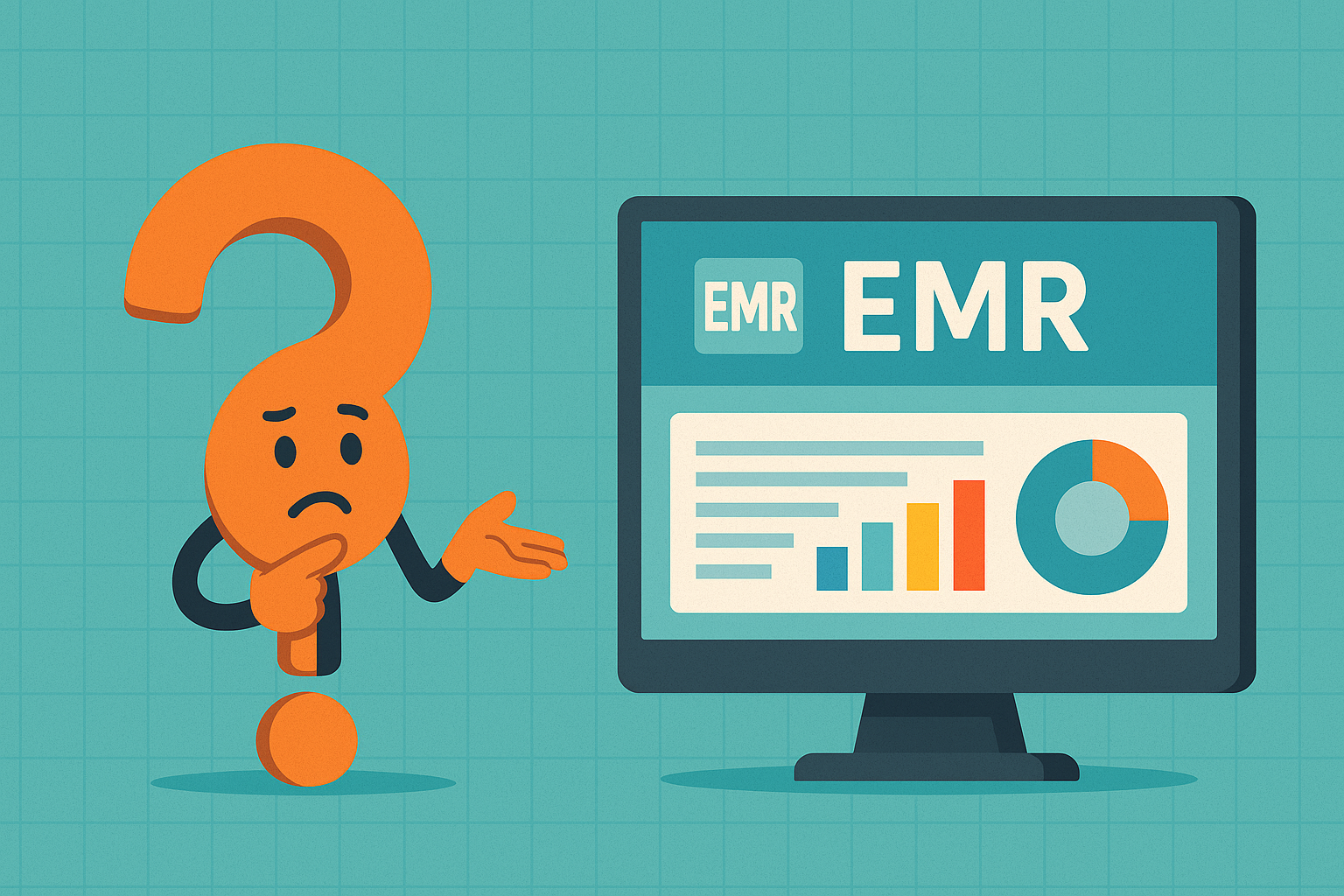
Doctors Are Drowning in Data And EMRs Are Throwing Lifelines
More information was supposed to help. Instead, it overwhelmed until systems learned to truly support care.
February 3, 2026
America’s Hospitals Are Rewriting Themselves One EMR Upgrade at a Time
This isn’t an IT project. It’s a survival story.
December 8, 2025
After the Click: Measuring the Quiet Returns of a Successful EMR
The dashboard glows. But what we truly measure is minutes returned to the bedside.
Organizations obsess over go live dates and ticket counts. Those metrics matter, but they miss the soft dividends: minutes that clinicians reclaim, conversations that aren’t cut short by forms, and fewer repeat histories. After the click, the real question is, how much more human are we able to be?
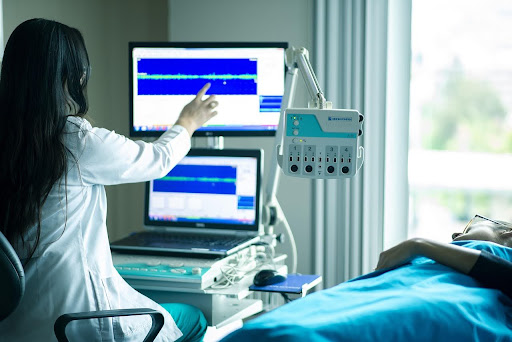
A hospital we worked with tracked a small but telling metric: bedside time per patient. After targeted workflow optimization in the months following go live, bedside time rose by an average of seven minutes per patient small in isolation, massive in aggregate. Nurses reported more opportunities to educate families; clinicians reported fewer after-shift hours spent reconciling charts.
October 25, 2025
Data Midwives: Bringing Legacy Records Safely into the New World
Migrating charts is like delivering a history handle gently, or you lose the story.
Legacy data is messy and dear. It contains the old scar notes, the one nurse’s shorthand that matters, and the allergy a parent insisted on recording in the margins. Migrating that history is like midwifing a past into a new life: you must preserve the meaning, not only the bytes.
At a midwestern health system, a rushed migration stripped narrative fields down to CSVs. Post go live, clinicians lamented that lost context notes that had contained instructions about at-home caregiving were gone. Recovery cost weeks of reconciliation and immeasurable trust. We learned: data migration is not a back-end task; it is clinical stewardship.
October 25, 2025
Downtime as Design: Planning for the Moments When Systems Fail
True resilience shows when everything shatters; what happens next reveals your system’s soul.
We tell ourselves that downtime is a rare beast, an exception. Then it happens at 3 a.m. on a snowy Tuesday, and you learn which plans were sketches and which were muscle. Downtime is not an emergency to be endured; it’s a design problem to be rehearsed.
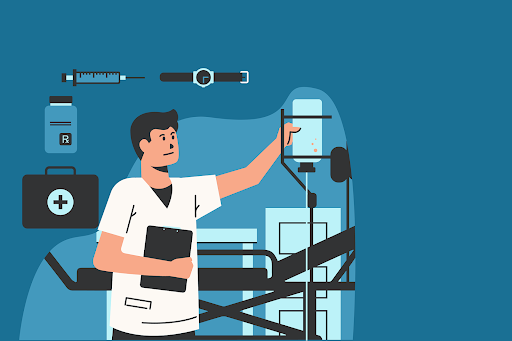
At Mercy North, a sudden network partition knocked out access to the central EMR for ninety minutes. The team activated a practiced plan: paper-lite quick forms, a sync queue on portable tablets, and a single coordinator who triaged phone requests. Nothing dramatic, no lives lost, but the difference was felt in the smoothness of handoffs and the quiet confidence of staff who had practiced the ritual.

October 24, 2025
The GoLive Lullaby: How Hospitals Learn to Sing Together
Go live isn’t a deployment; it’s a hospital learning a new lullaby to soothe its patients.
There is a hush the day before a go-live: cables taped, printers aligned, and staff badges blinking with new access. For weeks the hospital has rehearsed this moment checklists, training sprints, late-night build calls but the rehearsal is not ready. Real readiness is the moment a scared family member hears the right answer without a clinician fumbling, and that only happens when people and systems finally sing in the same key.
At St. Clement's, the first go-live wasn’t a headline; it was a lullaby. On Day One, a pediatric nurse named Marisol found that the new medication reconciliation screen finally put allergy flags beside the order. No more cross checking paper lists. She breathed, and for the first time that week, she sat with a mother long enough to answer a question about feeding, rather than chase a chart.
Go lives are noisy, but they should leave patients in a calm. That’s the lullaby: routines that protect care, interfaces that support bedside work, and leadership that sings the same tune in every hallway.
October 22, 2025
The Watchful EMR: Real-Time Monitoring, Predictive Alerts, and the Rise of Preemptive Care
Your chart doesn’t just record the past it’s beginning to warn you of the future.
In the hushed corridors of modern medicine, something extraordinary is happening.
The chart once a silent witness to what was has begun to see ahead.
It no longer waits for symptoms to appear, or for crises to unfold. It watches, listens, learns and sometimes, it whispers.
A quiet alert before the heart stumbles.
A flicker of data before infection blooms.
A pulse in the numbers that no human could have caught but the EMR did.
This is not fiction. It’s the quiet revolution of preemptive care

October 10, 2025
The Upgrade Dilemma: What Happens When Your EMR Outgrows You or You Outgrow It?
When systems shift, so must we. But what does migration truly cost?
There’s a peculiar ache to outgrowing something you once loved. A clinic’s favorite EMR years of workarounds welded into workflows, secret shortcuts known to three nurses and one night-shift tech suddenly feels like an old coat: warm, familiar, but misshapen by time. And then there are the other moments, when the system itself has grown teeth and wings and is pulling the hospital forward without carrying everyone along. Either way, the decision to upgrade is not an IT project. It is a small funeral and a new birth rolled into one.
October 3, 2025
The panic in an emergency room is never cinematic.
It is the small, sharp things: a monitor spiking, a mother’s hand clenched white, a resident hunting for a prior allergy in a paper chart while a patient’s pulse thunders in the dark.
In that small theater, seconds are not currency they are lifeblood. And that is where modern EMRs have learned to be surgical: not by replacing people, but by returning time to them.

October 3, 2025
Debate: Best-of-Breed vs. All-in-One EMRs Who’s Winning in the U.S.?
Is it better to have a jack-of-all-trades, or a perfect puzzle of specialized tools?
There’s a hush before every clinical shifts the soft intake of breath when the chart opens, when a clinician trusts the screen to tell the story straight. Underneath that hush is a choice that shapes care: do you stitch together a constellation of best in class tools, or do you entrust your hospital to a single, sprawling platform that promises to hold everything?
This isn’t a technology argument. It’s a story about rhythm and trust, about where clinicians find their flow and where patients find continuity.

October 3, 2025
Trials, Triumphs & Timelines: Inside the EMR Implementations of 3 U.S. Hospitals
They called it a rollout.
But to those inside, it felt more like a pilgrimage
long nights, broken logins, whispered doubts in corridors.
Yet every trial had its echo, every struggle its seed of triumph.
Each rollout is a story, a mix of tension, training, and the eventual moment it clicks.
October 3, 2025
The Mindful Record: Reducing Burnout Through Thoughtful EMR Design
They taught you to document faster.
They forgot to teach the chart how to keep your hands free.
You sit with a patient and count the seconds between their breaths while a cursor blinks like a clock. That blink is small. Over a shift, it becomes a drumbeat that steals attention, patience, and sometimes, the reason you became a healer. What if the chart didn’t demand your breath back? What if it held space for you to breathe with the patient?
What if your EMR didn’t drain you but grounded you? Explore the frontier of mindful UX.
Imagine an EMR that behaves like a careful colleague instead of a demanding clerk. It arrives not as a list of mandatory boxes but as a companion that speaks softly, remembers context, and knows when to be silent. Mindful EMR design isn’t a checklist of features, it's an ethic. It treats the clinician’s attention as sacred and the patient’s story as primary.
Here’s how that quieter revolution looks and feels.

September 25, 2025
Clouds Above, Confidence Below: The Rise of Cloud-Based EMR Hosting
Let the servers rest in the sky, while patients rest in the knowledge their care is safe.
There was a time when medical records lived like secrets in a basement—rows of cabinets breathing paper dust, each folder a life folded into manila. Now the records have risen. They float in vaults of code and light, tethered to servers that live somewhere else but work for everyone here: clinicians, families, midnight nurses, and the patient who needs one clear answer in a storm.
Cloud-based EMR hosting is not just a change in wiring. It’s a change in trust. It lifts the burden of infrastructure and lays down a simpler promise: care that’s available, reliable, and quietly resilient.

September 25, 2025
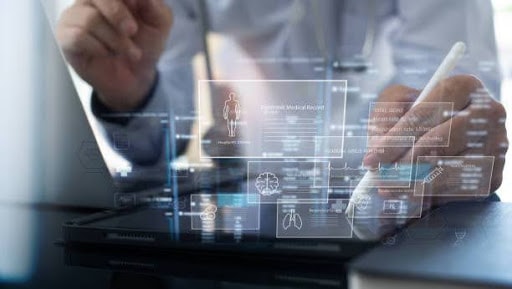
The Language of Care: Natural Language Processing and the EMR's New Voice
EMRs are learning to listen, to write, to speak your chart into existence.
Stop.
Listen: the chart is learning to speak.
For years, medical records were quiet prisons of paper and passive pixels fragments of memory buried under clinician fatigue. Now, with natural language processing, EMRs have found a voice. They don’t just store our words anymore; they hear them, shape them, and hand them back as something that helps a human reach another human.
September 25, 2025
"Digital Grace: How EMRs Bring Peace to End-of-Life Care" In the quietest moments, access to records becomes the most sacred tool.
The room is hushed, lit only by the soft glow of monitors and the trembling light of family presence. At the edge of life, every second feels stretched and holy, every detail a thread in the fragile fabric of goodbye.
Here, technology is not loud. It does not beep or boast. It becomes a vessel of grace, an electronic chart holding the weight of a life lived, the story of a body’s journey, and the truths too heavy to remember when hearts are breaking.

September 12, 2025
"The Young and the Digital: How New U.S. Hospitals Are Growing Up with EMRs from Day One" They’ve never touched a paper chart. Their world is swipes, scans, and seamless sync.
They walked into their first shift with a badge and a password, no manila folder tucked under an arm, and no paper trail to follow.
For them, medicine arrived already digital: charts that scroll, orders that flow, and notes that sing together across clinics. They are the children of a hospital born online.
There is a quiet wonder in watching a young nurse tap a bedside tablet and, with one breath, know the whole story. She opens a patient’s file and sees yesterday’s vitals, last week’s x-ray, a social work note about home heating, and a translated message from a daughter in Spanish all braided into one view. She doesn’t rifle through paper; she leans forward and listens. Care feels faster, kinder, and more seamless.
These new hospitals didn’t convert to EMRs. They grew up with them. Their hallways were wired before bedpans were stocked. Their training programs teach gestures and shortcuts, not how to fold a chart. Their IT teams are on rounds; their clinicians learn new templates the way previous generations learned to write legibly. The interface is their lingua franca.
September 1, 2025
From DNA to Data: EMRs and the Genomic Future of Personalized Care
Stop.
Somewhere inside you right now is a map written in spirals, a sequence of letters so intimate it could be called a secret.
What if that secret could be read kindly, folded into the records we already hold, and used to guide a single, precise life back toward health?
In every patient’s code lies a treatment plan waiting to be revealed. EMRs are the keys to that door.
There was a time when medicine treated symptoms like storms: observe, shelter, and hope. Today, we are learning to read the weather pattern itself: the tiny, patient-specific instructions tucked inside DNA. But a gene alone is a whisper; it gains meaning only when it meets storage, allergies, family, the job that shortens sleep, and the childhood illness that never quite left. That meeting happens inside the EMR, where genomics becomes context and tests become tending.

August 29, 2025
"Doctor, Interrupted: The Silent War Between EMRs and Clinical Focus" Why some clinicians feel EMRs steal their eyes and what design teams are doing to give them back.
He leaned over the patient’s bed, and the patient told him a story about fear, about a cough that didn’t stop at midnight, and about a daughter who slept on the living room couch. The doctor reached for the chart, and by the time he found the right tab, the story had folded into the past like a page turned too quickly. He looked up, and for a second, he had missed the moment.
This is the quiet theft EMRs commit: not of data, but of presence. Not of facts, but of the fragile human thread that ties a clinician’s attention to the person before them.
September 22, 2025
The Pain of the Past: Breaking Up with Legacy Systems in the EMR Age
They served us once, but now they slow us down. It’s time to let go and log in anew.
There was a time when those hulking servers and creaking interfaces felt like safe, trusted companions that held patient stories in yellowed fields and familiar menus. We learned their quirks. We memorized their workarounds. We even loved them in a clumsy, grateful way.
Then the pages grew thin. The bugs multiplied. The clicks multiplied. Nurses learned to shield patients from the glare of a screen; doctors rehearsed apologies for time spent staring at menus instead of eyes. What once felt like home became a house of echoes, every delay an old ghost, every downtime a haunted ward.
This is the ache of legacy, the slow grief organizations carry when the systems that cradled care start to break the promise of it.

September 19, 2025
EMRs and the Puzzle of Workflow: Why Integration Matters More Than Ever
You can’t force a machine into a heartbeat.
There’s a nurse who rounds with a tablet in one hand and a patient’s trembling hand in the other. She’s trying to listen to a story about meds, allergies, and the way a child’s laugh sounds when remembering a grandfather, and the screen keeps demanding things that don’t belong in that moment. That tension is the whole problem: EMRs that don’t fit human rhythm turn care into a series of interruptions. Integration is the patient centered antidote.
September 15, 2025
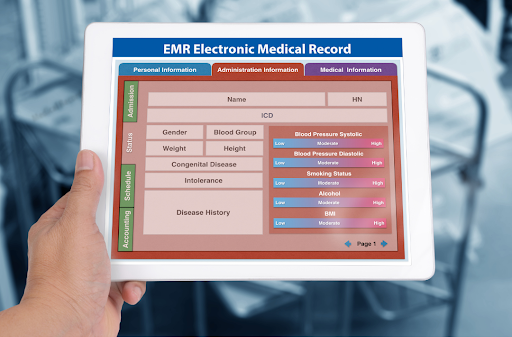
Finding the Right Fit: How U.S. Facilities Choose Their EMR Systems
It’s not about the flashiest features, it's about who listens, who lasts, who learns with you.

September 12, 2025
The EMR Learning Curve: A Love Letter to the Confused, the Overwhelmed, the Still-Learning
It’s okay not to get it all at once. This post is for the strugglers, the skeptics, the silent fighters.
Blog
Learn, grow, and stay ahead. Our blog brings you practical tips, industry updates, and thought-provoking ideas designed to make healthcare smarter and more connected.
February 6, 2026
Doctors Are Drowning in Data And EMRs Are Throwing Lifelines
More information was supposed to help. Instead, it overwhelmed until systems learned to truly support care.
February 3, 2026
America’s Hospitals Are Rewriting Themselves One EMR Upgrade at a Time
This isn’t an IT project. It’s a survival story.
December 8, 2025
After the Click: Measuring the Quiet Returns of a Successful EMR
The dashboard glows. But what we truly measure is minutes returned to the bedside.
Organizations obsess over go live dates and ticket counts. Those metrics matter, but they miss the soft dividends: minutes that clinicians reclaim, conversations that aren’t cut short by forms, and fewer repeat histories. After the click, the real question is, how much more human are we able to be?
A hospital we worked with tracked a small but telling metric: bedside time per patient. After targeted workflow optimization in the months following go live, bedside time rose by an average of seven minutes per patient small in isolation, massive in aggregate. Nurses reported more opportunities to educate families; clinicians reported fewer after-shift hours spent reconciling charts.
October 25, 2025
Data Midwives: Bringing Legacy Records Safely into the New World
Migrating charts is like delivering a history handle gently, or you lose the story.
Legacy data is messy and dear. It contains the old scar notes, the one nurse’s shorthand that matters, and the allergy a parent insisted on recording in the margins. Migrating that history is like midwifing a past into a new life: you must preserve the meaning, not only the bytes.
At a midwestern health system, a rushed migration stripped narrative fields down to CSVs. Post go live, clinicians lamented that lost context notes that had contained instructions about at-home caregiving were gone. Recovery cost weeks of reconciliation and immeasurable trust. We learned: data migration is not a back-end task; it is clinical stewardship.
October 25, 2025
Downtime as Design: Planning for the Moments When Systems Fail
True resilience shows when everything shatters; what happens next reveals your system’s soul.
We tell ourselves that downtime is a rare beast, an exception. Then it happens at 3 a.m. on a snowy Tuesday, and you learn which plans were sketches and which were muscle. Downtime is not an emergency to be endured; it’s a design problem to be rehearsed.
At Mercy North, a sudden network partition knocked out access to the central EMR for ninety minutes. The team activated a practiced plan: paper-lite quick forms, a sync queue on portable tablets, and a single coordinator who triaged phone requests. Nothing dramatic, no lives lost, but the difference was felt in the smoothness of handoffs and the quiet confidence of staff who had practiced the ritual.
October 24, 2025
The GoLive Lullaby: How Hospitals Learn to Sing Together
Go live isn’t a deployment; it’s a hospital learning a new lullaby to soothe its patients.
There is a hush the day before a go-live: cables taped, printers aligned, and staff badges blinking with new access. For weeks the hospital has rehearsed this moment checklists, training sprints, late-night build calls but the rehearsal is not ready. Real readiness is the moment a scared family member hears the right answer without a clinician fumbling, and that only happens when people and systems finally sing in the same key.
At St. Clement's, the first go-live wasn’t a headline; it was a lullaby. On Day One, a pediatric nurse named Marisol found that the new medication reconciliation screen finally put allergy flags beside the order. No more cross checking paper lists. She breathed, and for the first time that week, she sat with a mother long enough to answer a question about feeding, rather than chase a chart.
Go lives are noisy, but they should leave patients in a calm. That’s the lullaby: routines that protect care, interfaces that support bedside work, and leadership that sings the same tune in every hallway.
October 22, 2025
The Watchful EMR: Real-Time Monitoring, Predictive Alerts, and the Rise of Preemptive Care
Your chart doesn’t just record the past it’s beginning to warn you of the future.
In the hushed corridors of modern medicine, something extraordinary is happening.
The chart once a silent witness to what was has begun to see ahead.
It no longer waits for symptoms to appear, or for crises to unfold. It watches, listens, learns and sometimes, it whispers.
A quiet alert before the heart stumbles.
A flicker of data before infection blooms.
A pulse in the numbers that no human could have caught but the EMR did.
This is not fiction. It’s the quiet revolution of preemptive care
October 10, 2025
The Upgrade Dilemma: What Happens When Your EMR Outgrows You or You Outgrow It?
When systems shift, so must we. But what does migration truly cost?
There’s a peculiar ache to outgrowing something you once loved. A clinic’s favorite EMR years of workarounds welded into workflows, secret shortcuts known to three nurses and one night-shift tech suddenly feels like an old coat: warm, familiar, but misshapen by time. And then there are the other moments, when the system itself has grown teeth and wings and is pulling the hospital forward without carrying everyone along. Either way, the decision to upgrade is not an IT project. It is a small funeral and a new birth rolled into one.
October 3, 2025
The panic in an emergency room is never cinematic.
It is the small, sharp things: a monitor spiking, a mother’s hand clenched white, a resident hunting for a prior allergy in a paper chart while a patient’s pulse thunders in the dark.
In that small theater, seconds are not currency they are lifeblood. And that is where modern EMRs have learned to be surgical: not by replacing people, but by returning time to them.
October 3, 2025
Debate: Best-of-Breed vs. All-in-One EMRs Who’s Winning in the U.S.?
Is it better to have a jack-of-all-trades, or a perfect puzzle of specialized tools?
There’s a hush before every clinical shifts the soft intake of breath when the chart opens, when a clinician trusts the screen to tell the story straight. Underneath that hush is a choice that shapes care: do you stitch together a constellation of best in class tools, or do you entrust your hospital to a single, sprawling platform that promises to hold everything?
This isn’t a technology argument. It’s a story about rhythm and trust, about where clinicians find their flow and where patients find continuity.
October 3, 2025
Trials, Triumphs & Timelines: Inside the EMR Implementations of 3 U.S. Hospitals
They called it a rollout.
But to those inside, it felt more like a pilgrimage
long nights, broken logins, whispered doubts in corridors.
Yet every trial had its echo, every struggle its seed of triumph.
Each rollout is a story, a mix of tension, training, and the eventual moment it clicks.
October 3, 2025
The Mindful Record: Reducing Burnout Through Thoughtful EMR Design
They taught you to document faster.
They forgot to teach the chart how to keep your hands free.
You sit with a patient and count the seconds between their breaths while a cursor blinks like a clock. That blink is small. Over a shift, it becomes a drumbeat that steals attention, patience, and sometimes, the reason you became a healer. What if the chart didn’t demand your breath back? What if it held space for you to breathe with the patient?
What if your EMR didn’t drain you but grounded you? Explore the frontier of mindful UX.
Imagine an EMR that behaves like a careful colleague instead of a demanding clerk. It arrives not as a list of mandatory boxes but as a companion that speaks softly, remembers context, and knows when to be silent. Mindful EMR design isn’t a checklist of features, it's an ethic. It treats the clinician’s attention as sacred and the patient’s story as primary.
Here’s how that quieter revolution looks and feels.
September 25, 2025
Clouds Above, Confidence Below: The Rise of Cloud-Based EMR Hosting
Let the servers rest in the sky, while patients rest in the knowledge their care is safe.
There was a time when medical records lived like secrets in a basement—rows of cabinets breathing paper dust, each folder a life folded into manila. Now the records have risen. They float in vaults of code and light, tethered to servers that live somewhere else but work for everyone here: clinicians, families, midnight nurses, and the patient who needs one clear answer in a storm.
Cloud-based EMR hosting is not just a change in wiring. It’s a change in trust. It lifts the burden of infrastructure and lays down a simpler promise: care that’s available, reliable, and quietly resilient.
September 25, 2025
The Language of Care: Natural Language Processing and the EMR's New Voice
EMRs are learning to listen, to write, to speak your chart into existence.
Stop.
Listen: the chart is learning to speak.
For years, medical records were quiet prisons of paper and passive pixels fragments of memory buried under clinician fatigue. Now, with natural language processing, EMRs have found a voice. They don’t just store our words anymore; they hear them, shape them, and hand them back as something that helps a human reach another human.
September 25, 2025
"Digital Grace: How EMRs Bring Peace to End-of-Life Care" In the quietest moments, access to records becomes the most sacred tool.
The room is hushed, lit only by the soft glow of monitors and the trembling light of family presence. At the edge of life, every second feels stretched and holy, every detail a thread in the fragile fabric of goodbye.
Here, technology is not loud. It does not beep or boast. It becomes a vessel of grace, an electronic chart holding the weight of a life lived, the story of a body’s journey, and the truths too heavy to remember when hearts are breaking.
September 12, 2025
"The Young and the Digital: How New U.S. Hospitals Are Growing Up with EMRs from Day One" They’ve never touched a paper chart. Their world is swipes, scans, and seamless sync.
They walked into their first shift with a badge and a password, no manila folder tucked under an arm, and no paper trail to follow.
For them, medicine arrived already digital: charts that scroll, orders that flow, and notes that sing together across clinics. They are the children of a hospital born online.
There is a quiet wonder in watching a young nurse tap a bedside tablet and, with one breath, know the whole story. She opens a patient’s file and sees yesterday’s vitals, last week’s x-ray, a social work note about home heating, and a translated message from a daughter in Spanish all braided into one view. She doesn’t rifle through paper; she leans forward and listens. Care feels faster, kinder, and more seamless.
These new hospitals didn’t convert to EMRs. They grew up with them. Their hallways were wired before bedpans were stocked. Their training programs teach gestures and shortcuts, not how to fold a chart. Their IT teams are on rounds; their clinicians learn new templates the way previous generations learned to write legibly. The interface is their lingua franca.
September 1, 2025
From DNA to Data: EMRs and the Genomic Future of Personalized Care
Stop.
Somewhere inside you right now is a map written in spirals, a sequence of letters so intimate it could be called a secret.
What if that secret could be read kindly, folded into the records we already hold, and used to guide a single, precise life back toward health?
In every patient’s code lies a treatment plan waiting to be revealed. EMRs are the keys to that door.
There was a time when medicine treated symptoms like storms: observe, shelter, and hope. Today, we are learning to read the weather pattern itself: the tiny, patient-specific instructions tucked inside DNA. But a gene alone is a whisper; it gains meaning only when it meets storage, allergies, family, the job that shortens sleep, and the childhood illness that never quite left. That meeting happens inside the EMR, where genomics becomes context and tests become tending.
August 29, 2025
"Doctor, Interrupted: The Silent War Between EMRs and Clinical Focus" Why some clinicians feel EMRs steal their eyes and what design teams are doing to give them back.
He leaned over the patient’s bed, and the patient told him a story about fear, about a cough that didn’t stop at midnight, and about a daughter who slept on the living room couch. The doctor reached for the chart, and by the time he found the right tab, the story had folded into the past like a page turned too quickly. He looked up, and for a second, he had missed the moment.
This is the quiet theft EMRs commit: not of data, but of presence. Not of facts, but of the fragile human thread that ties a clinician’s attention to the person before them.
September 22, 2025
The Pain of the Past: Breaking Up with Legacy Systems in the EMR Age
They served us once, but now they slow us down. It’s time to let go and log in anew.
There was a time when those hulking servers and creaking interfaces felt like safe, trusted companions that held patient stories in yellowed fields and familiar menus. We learned their quirks. We memorized their workarounds. We even loved them in a clumsy, grateful way.
Then the pages grew thin. The bugs multiplied. The clicks multiplied. Nurses learned to shield patients from the glare of a screen; doctors rehearsed apologies for time spent staring at menus instead of eyes. What once felt like home became a house of echoes, every delay an old ghost, every downtime a haunted ward.
This is the ache of legacy, the slow grief organizations carry when the systems that cradled care start to break the promise of it.
September 19, 2025
EMRs and the Puzzle of Workflow: Why Integration Matters More Than Ever
You can’t force a machine into a heartbeat.
There’s a nurse who rounds with a tablet in one hand and a patient’s trembling hand in the other. She’s trying to listen to a story about meds, allergies, and the way a child’s laugh sounds when remembering a grandfather, and the screen keeps demanding things that don’t belong in that moment. That tension is the whole problem: EMRs that don’t fit human rhythm turn care into a series of interruptions. Integration is the patient centered antidote.
September 15, 2025
Finding the Right Fit: How U.S. Facilities Choose Their EMR Systems
It’s not about the flashiest features, it's about who listens, who lasts, who learns with you.
September 12, 2025
The EMR Learning Curve: A Love Letter to the Confused, the Overwhelmed, the Still-Learning
It’s okay not to get it all at once. This post is for the strugglers, the skeptics, the silent fighters.
Blog
Learn, grow, and stay ahead. Our blog brings you practical tips, industry updates, and thought-provoking ideas designed to make healthcare smarter and more connected.
February 6, 2026
Doctors Are Drowning in Data And EMRs Are Throwing Lifelines
More information was supposed to help. Instead, it overwhelmed until systems learned to truly support care.
February 3, 2026
America’s Hospitals Are Rewriting Themselves One EMR Upgrade at a Time
This isn’t an IT project. It’s a survival story.
December 8, 2025
After the Click: Measuring the Quiet Returns of a Successful EMR
The dashboard glows. But what we truly measure is minutes returned to the bedside.
Organizations obsess over go live dates and ticket counts. Those metrics matter, but they miss the soft dividends: minutes that clinicians reclaim, conversations that aren’t cut short by forms, and fewer repeat histories. After the click, the real question is, how much more human are we able to be?
A hospital we worked with tracked a small but telling metric: bedside time per patient. After targeted workflow optimization in the months following go live, bedside time rose by an average of seven minutes per patient small in isolation, massive in aggregate. Nurses reported more opportunities to educate families; clinicians reported fewer after-shift hours spent reconciling charts.
October 25, 2025
Data Midwives: Bringing Legacy Records Safely into the New World
Migrating charts is like delivering a history handle gently, or you lose the story.
Legacy data is messy and dear. It contains the old scar notes, the one nurse’s shorthand that matters, and the allergy a parent insisted on recording in the margins. Migrating that history is like midwifing a past into a new life: you must preserve the meaning, not only the bytes.
At a midwestern health system, a rushed migration stripped narrative fields down to CSVs. Post go live, clinicians lamented that lost context notes that had contained instructions about at-home caregiving were gone. Recovery cost weeks of reconciliation and immeasurable trust. We learned: data migration is not a back-end task; it is clinical stewardship.
October 25, 2025
Downtime as Design: Planning for the Moments When Systems Fail
True resilience shows when everything shatters; what happens next reveals your system’s soul.
We tell ourselves that downtime is a rare beast, an exception. Then it happens at 3 a.m. on a snowy Tuesday, and you learn which plans were sketches and which were muscle. Downtime is not an emergency to be endured; it’s a design problem to be rehearsed.
At Mercy North, a sudden network partition knocked out access to the central EMR for ninety minutes. The team activated a practiced plan: paper-lite quick forms, a sync queue on portable tablets, and a single coordinator who triaged phone requests. Nothing dramatic, no lives lost, but the difference was felt in the smoothness of handoffs and the quiet confidence of staff who had practiced the ritual.
October 24, 2025
The GoLive Lullaby: How Hospitals Learn to Sing Together
Go live isn’t a deployment; it’s a hospital learning a new lullaby to soothe its patients.
There is a hush the day before a go-live: cables taped, printers aligned, and staff badges blinking with new access. For weeks the hospital has rehearsed this moment checklists, training sprints, late-night build calls but the rehearsal is not ready. Real readiness is the moment a scared family member hears the right answer without a clinician fumbling, and that only happens when people and systems finally sing in the same key.
At St. Clement's, the first go-live wasn’t a headline; it was a lullaby. On Day One, a pediatric nurse named Marisol found that the new medication reconciliation screen finally put allergy flags beside the order. No more cross checking paper lists. She breathed, and for the first time that week, she sat with a mother long enough to answer a question about feeding, rather than chase a chart.
Go lives are noisy, but they should leave patients in a calm. That’s the lullaby: routines that protect care, interfaces that support bedside work, and leadership that sings the same tune in every hallway.
October 22, 2025
The Watchful EMR: Real-Time Monitoring, Predictive Alerts, and the Rise of Preemptive Care
Your chart doesn’t just record the past it’s beginning to warn you of the future.
In the hushed corridors of modern medicine, something extraordinary is happening.
The chart once a silent witness to what was has begun to see ahead.
It no longer waits for symptoms to appear, or for crises to unfold. It watches, listens, learns and sometimes, it whispers.
A quiet alert before the heart stumbles.
A flicker of data before infection blooms.
A pulse in the numbers that no human could have caught but the EMR did.
This is not fiction. It’s the quiet revolution of preemptive care
October 10, 2025
The Upgrade Dilemma: What Happens When Your EMR Outgrows You or You Outgrow It?
When systems shift, so must we. But what does migration truly cost?
There’s a peculiar ache to outgrowing something you once loved. A clinic’s favorite EMR years of workarounds welded into workflows, secret shortcuts known to three nurses and one night-shift tech suddenly feels like an old coat: warm, familiar, but misshapen by time. And then there are the other moments, when the system itself has grown teeth and wings and is pulling the hospital forward without carrying everyone along. Either way, the decision to upgrade is not an IT project. It is a small funeral and a new birth rolled into one.
October 3, 2025
The panic in an emergency room is never cinematic.
It is the small, sharp things: a monitor spiking, a mother’s hand clenched white, a resident hunting for a prior allergy in a paper chart while a patient’s pulse thunders in the dark.
In that small theater, seconds are not currency they are lifeblood. And that is where modern EMRs have learned to be surgical: not by replacing people, but by returning time to them.
October 3, 2025
Debate: Best-of-Breed vs. All-in-One EMRs Who’s Winning in the U.S.?
Is it better to have a jack-of-all-trades, or a perfect puzzle of specialized tools?
There’s a hush before every clinical shifts the soft intake of breath when the chart opens, when a clinician trusts the screen to tell the story straight. Underneath that hush is a choice that shapes care: do you stitch together a constellation of best in class tools, or do you entrust your hospital to a single, sprawling platform that promises to hold everything?
This isn’t a technology argument. It’s a story about rhythm and trust, about where clinicians find their flow and where patients find continuity.
October 3, 2025
Trials, Triumphs & Timelines: Inside the EMR Implementations of 3 U.S. Hospitals
They called it a rollout.
But to those inside, it felt more like a pilgrimage
long nights, broken logins, whispered doubts in corridors.
Yet every trial had its echo, every struggle its seed of triumph.
Each rollout is a story, a mix of tension, training, and the eventual moment it clicks.
October 3, 2025
The Mindful Record: Reducing Burnout Through Thoughtful EMR Design
They taught you to document faster.
They forgot to teach the chart how to keep your hands free.
You sit with a patient and count the seconds between their breaths while a cursor blinks like a clock. That blink is small. Over a shift, it becomes a drumbeat that steals attention, patience, and sometimes, the reason you became a healer. What if the chart didn’t demand your breath back? What if it held space for you to breathe with the patient?
What if your EMR didn’t drain you but grounded you? Explore the frontier of mindful UX.
Imagine an EMR that behaves like a careful colleague instead of a demanding clerk. It arrives not as a list of mandatory boxes but as a companion that speaks softly, remembers context, and knows when to be silent. Mindful EMR design isn’t a checklist of features, it's an ethic. It treats the clinician’s attention as sacred and the patient’s story as primary.
Here’s how that quieter revolution looks and feels.
September 25, 2025
Clouds Above, Confidence Below: The Rise of Cloud-Based EMR Hosting
Let the servers rest in the sky, while patients rest in the knowledge their care is safe.
There was a time when medical records lived like secrets in a basement—rows of cabinets breathing paper dust, each folder a life folded into manila. Now the records have risen. They float in vaults of code and light, tethered to servers that live somewhere else but work for everyone here: clinicians, families, midnight nurses, and the patient who needs one clear answer in a storm.
Cloud-based EMR hosting is not just a change in wiring. It’s a change in trust. It lifts the burden of infrastructure and lays down a simpler promise: care that’s available, reliable, and quietly resilient.
September 25, 2025
The Language of Care: Natural Language Processing and the EMR's New Voice
EMRs are learning to listen, to write, to speak your chart into existence.
Stop.
Listen: the chart is learning to speak.
For years, medical records were quiet prisons of paper and passive pixels fragments of memory buried under clinician fatigue. Now, with natural language processing, EMRs have found a voice. They don’t just store our words anymore; they hear them, shape them, and hand them back as something that helps a human reach another human.
September 25, 2025
"Digital Grace: How EMRs Bring Peace to End-of-Life Care" In the quietest moments, access to records becomes the most sacred tool.
The room is hushed, lit only by the soft glow of monitors and the trembling light of family presence. At the edge of life, every second feels stretched and holy, every detail a thread in the fragile fabric of goodbye.
Here, technology is not loud. It does not beep or boast. It becomes a vessel of grace, an electronic chart holding the weight of a life lived, the story of a body’s journey, and the truths too heavy to remember when hearts are breaking.
September 12, 2025
"The Young and the Digital: How New U.S. Hospitals Are Growing Up with EMRs from Day One" They’ve never touched a paper chart. Their world is swipes, scans, and seamless sync.
They walked into their first shift with a badge and a password, no manila folder tucked under an arm, and no paper trail to follow.
For them, medicine arrived already digital: charts that scroll, orders that flow, and notes that sing together across clinics. They are the children of a hospital born online.
There is a quiet wonder in watching a young nurse tap a bedside tablet and, with one breath, know the whole story. She opens a patient’s file and sees yesterday’s vitals, last week’s x-ray, a social work note about home heating, and a translated message from a daughter in Spanish all braided into one view. She doesn’t rifle through paper; she leans forward and listens. Care feels faster, kinder, and more seamless.
These new hospitals didn’t convert to EMRs. They grew up with them. Their hallways were wired before bedpans were stocked. Their training programs teach gestures and shortcuts, not how to fold a chart. Their IT teams are on rounds; their clinicians learn new templates the way previous generations learned to write legibly. The interface is their lingua franca.
September 1, 2025
From DNA to Data: EMRs and the Genomic Future of Personalized Care
Stop.
Somewhere inside you right now is a map written in spirals, a sequence of letters so intimate it could be called a secret.
What if that secret could be read kindly, folded into the records we already hold, and used to guide a single, precise life back toward health?
In every patient’s code lies a treatment plan waiting to be revealed. EMRs are the keys to that door.
There was a time when medicine treated symptoms like storms: observe, shelter, and hope. Today, we are learning to read the weather pattern itself: the tiny, patient-specific instructions tucked inside DNA. But a gene alone is a whisper; it gains meaning only when it meets storage, allergies, family, the job that shortens sleep, and the childhood illness that never quite left. That meeting happens inside the EMR, where genomics becomes context and tests become tending.
August 29, 2025
"Doctor, Interrupted: The Silent War Between EMRs and Clinical Focus" Why some clinicians feel EMRs steal their eyes and what design teams are doing to give them back.
He leaned over the patient’s bed, and the patient told him a story about fear, about a cough that didn’t stop at midnight, and about a daughter who slept on the living room couch. The doctor reached for the chart, and by the time he found the right tab, the story had folded into the past like a page turned too quickly. He looked up, and for a second, he had missed the moment.
This is the quiet theft EMRs commit: not of data, but of presence. Not of facts, but of the fragile human thread that ties a clinician’s attention to the person before them.
September 22, 2025
The Pain of the Past: Breaking Up with Legacy Systems in the EMR Age
They served us once, but now they slow us down. It’s time to let go and log in anew.
There was a time when those hulking servers and creaking interfaces felt like safe, trusted companions that held patient stories in yellowed fields and familiar menus. We learned their quirks. We memorized their workarounds. We even loved them in a clumsy, grateful way.
Then the pages grew thin. The bugs multiplied. The clicks multiplied. Nurses learned to shield patients from the glare of a screen; doctors rehearsed apologies for time spent staring at menus instead of eyes. What once felt like home became a house of echoes, every delay an old ghost, every downtime a haunted ward.
This is the ache of legacy, the slow grief organizations carry when the systems that cradled care start to break the promise of it.
September 19, 2025
EMRs and the Puzzle of Workflow: Why Integration Matters More Than Ever
You can’t force a machine into a heartbeat.
There’s a nurse who rounds with a tablet in one hand and a patient’s trembling hand in the other. She’s trying to listen to a story about meds, allergies, and the way a child’s laugh sounds when remembering a grandfather, and the screen keeps demanding things that don’t belong in that moment. That tension is the whole problem: EMRs that don’t fit human rhythm turn care into a series of interruptions. Integration is the patient centered antidote.
September 15, 2025
Finding the Right Fit: How U.S. Facilities Choose Their EMR Systems
It’s not about the flashiest features, it's about who listens, who lasts, who learns with you.
September 12, 2025
The EMR Learning Curve: A Love Letter to the Confused, the Overwhelmed, the Still-Learning
It’s okay not to get it all at once. This post is for the strugglers, the skeptics, the silent fighters.